Understanding Macronutrients
A comprehensive exploration of proteins, carbohydrates, and fats, and their essential roles in nutrition and body function.
What Are Macronutrients?
Macronutrients are the large-scale nutrients that provide energy and building materials for the body. The three primary macronutrients are proteins, carbohydrates, and fats. Each plays distinct and critical roles in maintaining health and supporting bodily functions.
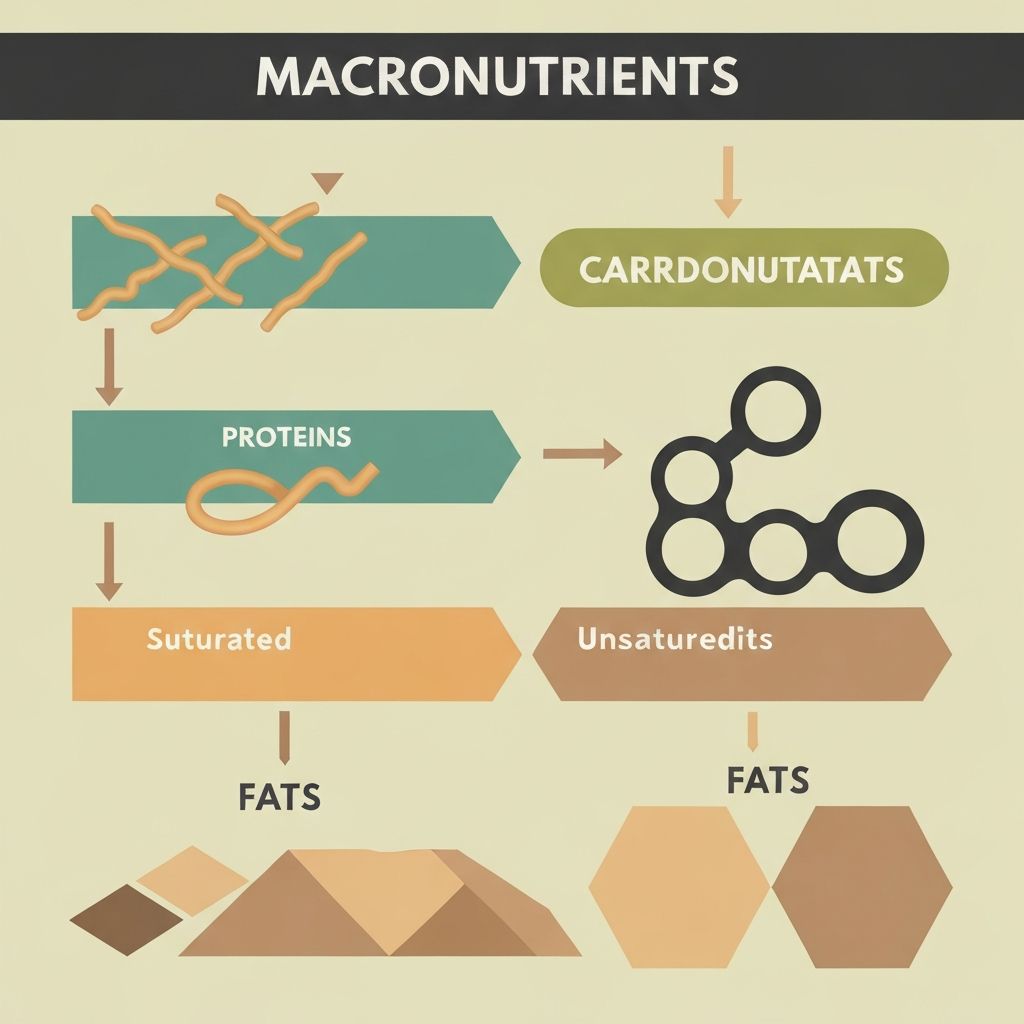
The Three Macronutrients

Proteins
Role: Essential for tissue repair, enzyme production, hormone synthesis, and immune function.
Sources: Both animal (meat, fish, eggs, dairy) and plant-based (legumes, nuts, seeds) sources provide protein.
Function: Amino acids from proteins are used to build and maintain muscle, produce enzymes, and create neurotransmitters.

Carbohydrates
Role: Primary energy source for the brain and muscles; supports physical and mental function.
Sources: Grains, fruits, vegetables, legumes, and sugars provide different types of carbohydrates.
Function: Break down into glucose, which fuels cellular activity and supports nervous system function.

Fats
Role: Essential for hormone production, nutrient absorption, and cell structure; supports brain function.
Sources: Oils, nuts, seeds, fatty fish, and animal products provide different fat types.
Function: Support vitamin absorption, maintain cell membranes, and facilitate signaling between cells.
Energy and Balance
Caloric Content
Different macronutrients provide different amounts of energy per gram:
- Protein: 4 calories per gram
- Carbohydrates: 4 calories per gram
- Fats: 9 calories per gram
These values help explain why fat is more calorie-dense, but all macronutrients are necessary for health.

Individual Needs Vary
The optimal proportion of macronutrients differs between individuals based on activity level, age, health status, and personal goals. Rather than rigid ratios, understanding the role of each macronutrient helps in making informed food choices.
Key principle: All three macronutrients are essential. The question is not which to eliminate, but how to include them in proportions that support individual needs and preferences.
Important Disclaimer
This content is for informational purposes to help you understand macronutrients. It does not constitute medical advice or specific recommendations for macronutrient ratios. Individual needs vary, and consultation with healthcare providers or registered dietitians can provide personalized guidance.